
[1]It has been over a year since the god, Jesi, revealed himself to my village.
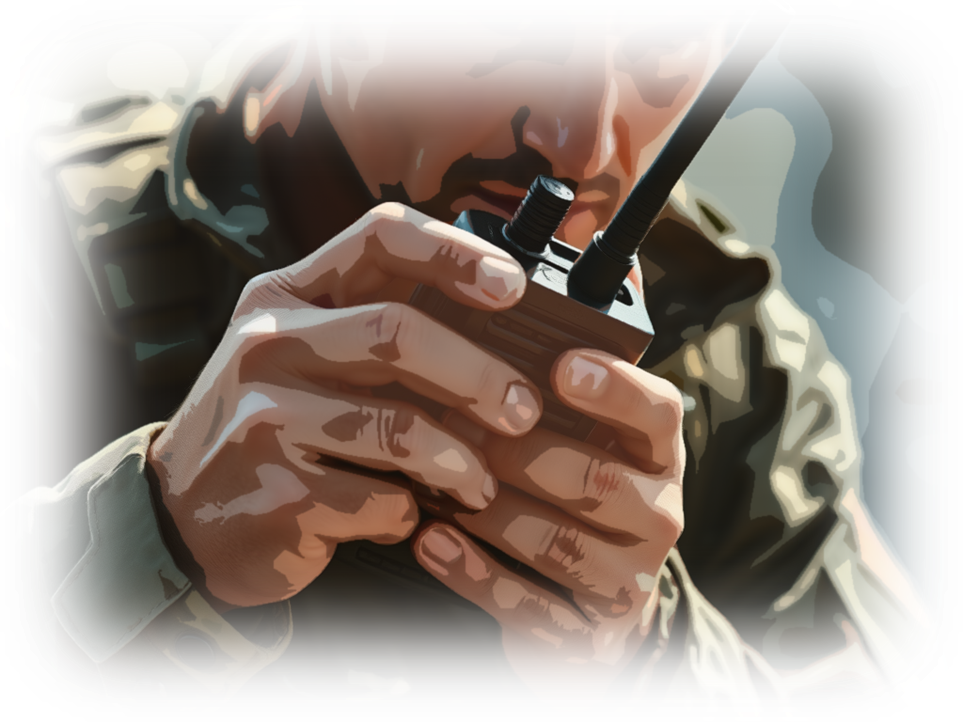
While out recruiting followers interested in relocating to one of the fortress cities, I was approached by an “angel.” She communicated with me through the telepathic High-Speech that Jesi sometimes used. But unlike Jesi’s overpowering voice, hers felt warm, like a whisper. I am an agent of Hermes.
I knew of Hermes, the god most traders worshipped. I asked if Poseidon was one of her leaders, but she shook her head sadly and said: He was killed in one of the surprise attacks that sparked the holy war.
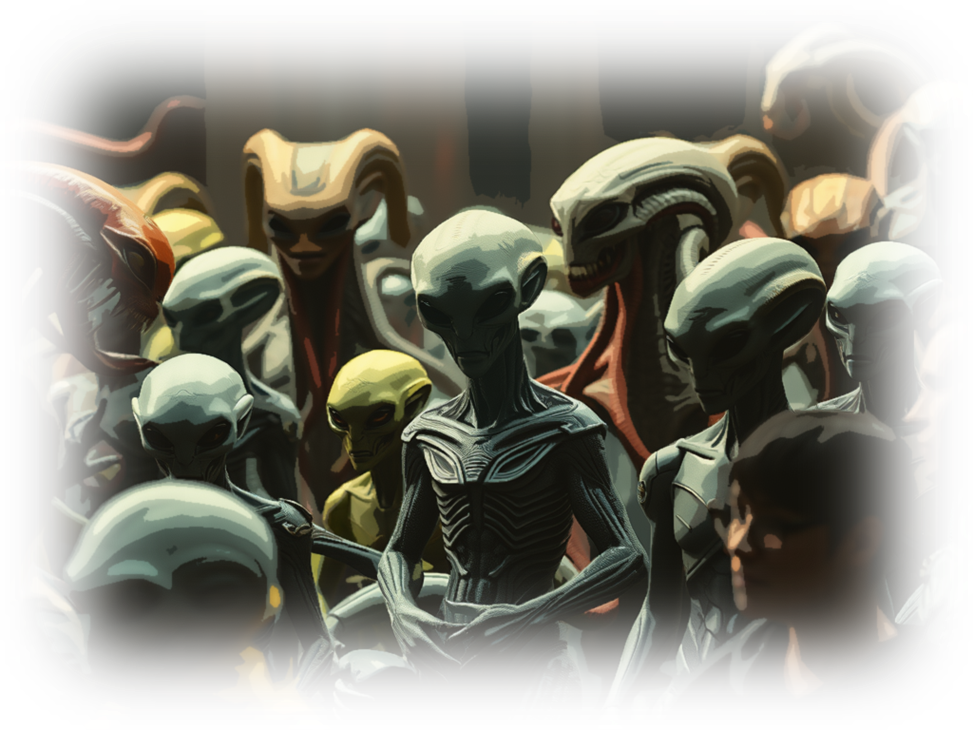
The angel stood quietly, reading my thoughts as I processed this revelation. I never believed Jesi was truly a god. But now, if even the god of my village was just one of these people, then there are no real gods at all!
After I gathered myself, she explained that her leader, the Lord Protector, was looking for spies to help fight against the false god, Jesi. When the war was over, she said, they planned to leave our species in peace, turning our planet into a protectorate dedicated to scientific research.
I’ve hated Jesi ever since he performed his “miracles” in my village. I hate these people for pretending to be gods. And I hated this angel for thinking she could just show up and expect me to serve her.
She sensed my anger and disappointment flickered across her face. I noticed she held a lightning wand, much like the one Jesi used.
I asked her how many had taken her offer. If she was trying to recruit from Jesi’s followers, surely, there couldn’t be many. And judging by the weapon in her hand, I could guess what happened to those who refused.
She looked at me warily, and I felt pressure in my head. Then, it stopped and her expression softened. She transmitted in High-Speech: You are clever for a… human. I can’t tell you how many spies we have, but you’re not alone.
“What do you need from me?” I asked.
She replied: Anything you see or hear is useful. You don’t need to write anything down because we’ll take the information directly from your mind.
“Why can’t you do that with anyone?”
She seemed annoyed with that question, like the answer was obvious. We could, but reading minds at random takes too long. It’s much easier to rely on those willing to look for valuable information.
“Okay. I’ll do it.”
With that, she smiled and vanished.
***
I’ve been spying for her ever since. At first, I observed everything I could. But as weeks passed, I settled back into my routine, more mindful of my surroundings.
Occasionally, I felt a familiar pressure in my head, like she was checking in on me. Sometimes, I sensed amusement coming from her.
A few days before the city’s destruction, Jesi summoned me. When I arrived, he was furious and his usual composure was clearly shattered. He paced around his chamber, hands clenching and unclenching, ranting about betrayal. His supposed allies, the “Men in Black” as he called them, disappeared after convincing him to start the war.
Jesi still didn’t notice me and he continued his tirade. “The Lord Protector wanted to cut ties with this planet and let its people grow without our interference, but I saw a better way. We should tighten our grasp and use this world as a source of slave labor benefiting the whole galaxy.” His hands tightened into fists as his voice dropped to a low growl, full of venom. “These pathetic creatures would never rebel because they worship me. They bow. They serve.”
For a moment, he looked small, crushed by his ambition. Then, he noticed me.
“What are you doing here?” He snapped.
I quickly bowed and replied, “My lord, didn’t you summon me?”
He looked at me with a blank expression before saying, “Oh, yes. Good work recruiting more followers and relocating to my cities.” He added, with a twisted smile, “They’ve proven useful and… entertaining.”
He paused to reminisce before continuing, “I want to reward you with an experimental treatment that will make you… better.”
Before I could thank him, everything suddenly went blindingly bright and I found myself in front of a doctor with a needle. He jabbed it into me and everything went bright all over again. I next found myself in my apartment.
I was sick for several days before I could leave home. I barely stepped out the door when I felt the familiar pressure of the angel’s presence. This time, I sensed relief and something resembling approval from the angel.
That night the whole city roared with alarms. There were several suns in the sky, and several more joined them. As their light faded out, I could see the defenders of the city use lightning to strike down incoming aircraft.
I couldn’t sleep at all after that.
As I attended to my duties around the city, I caught a glimpse at the Lieutenant. He looked haggard and his servants all looked worried. One of his servants was so distraught she stepped off the platform they were on. The Lieutenant was so exhausted and his servants were so demoralized, nobody noticed she had fallen to her death.
The angel appeared to me later that day. She said my information proved to be invaluable and that she owed me. As repayment, she warned me to leave the city immediately.
Her thoughts echoed through my mind: Go now. Don’t pack. Just leave!
There was so much chaos from what happened in the sky the night before, that it was easy for me to slip through the city’s gates unnoticed.
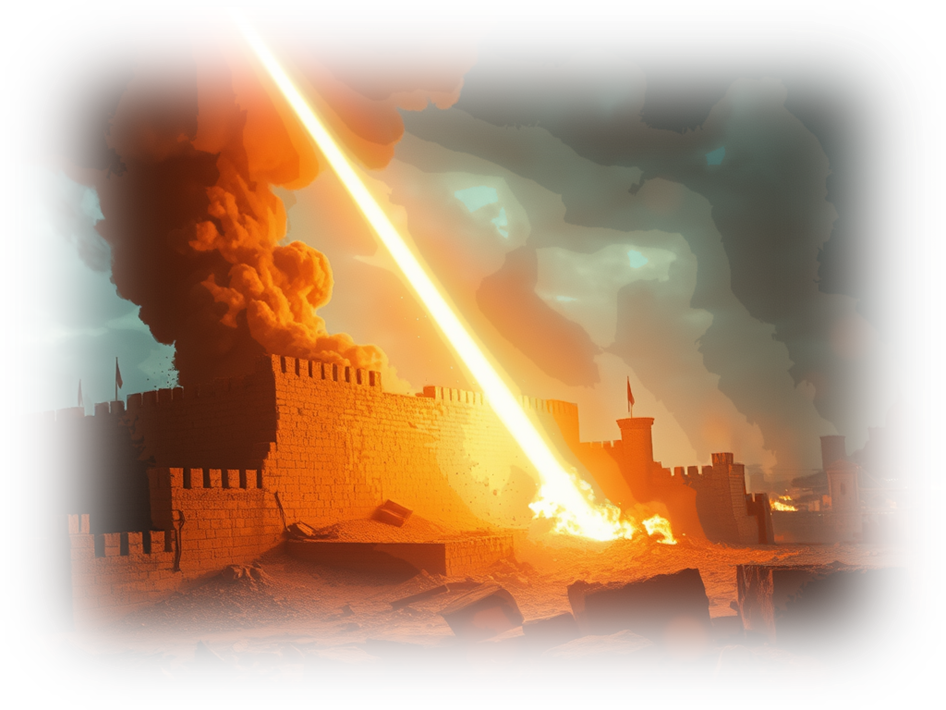
I ran for miles as I fled the city before resting to catch my breath. It was getting dark, so I continued my flight at a brisk pace. I was atop a hill when the sky let out a deafening roar and a fiery mountain fell from the heavens to plunge itself into the earth where the city stood.
When it hit, a blinding flash turned the horizon into a sea of white, brighter than the sun. Even from miles away, the ground beneath my feet shook violently and I could feel the scorching wave that swept across the land like a tidal wave of fire.
The city was obliterated in an instant. One moment, it stood tall as a symbol of Jesi’s power. The next, it was consumed by a towering cloud of flame and dust that rose into the sky, spreading out like the wings of an ancient demon.
I noticed another fireball in the distance heading to Jesi’s other stronghold, Sodom. After a few moments another flash of sunlight heralded that city’s destruction. As I walked into the night, I saw thousands of smaller fireballs descend toward the gateway to heaven, Babylon. I understood what each of those fireballs must be. They were ships, full of soldiers, descending from space to bring Jesi to justice.
***
About a week later, the angel came to me for the last time. She was smug. Her people had won. The Lord Protector decided Jesi should die by the hands of the very people he sought to enslave, and I was to be part of the execution.
As I held the execution spear in my hand, I felt satisfaction at being the instrument of justice. I gazed into Jesi’s haunted eyes and realization dawned in his eyes just before I plunged the spear into his chest.
I never believed he was a god.
He didn’t kill the entire family at that village, so long ago.
[1] Diary of Miracles (Jesi Saga)
This story is part of a collection of narrative entries, eyewitness records, and sacred illustrations documenting the rise and fall of the false god known as Jesi. This account spans many pages and includes artistic depictions and individual miracle stories recorded by a witness whose voice grows ever more strained under the weight of truth.
This story is part of one continuous chronicle. Treat each section as a chapter within the same diary. Each page is part of a fragmented gospel of a false messiah, exposed through the steady hand of one who dared to witness.
As you read, keep in mind that this is not a story of salvation. It is a cautionary record, and like all cautionary tales, its lesson may arrive only after it’s too late.